Why mobile gaming matters for social life today

When I first joined a local pub quiz, the team I was paired with spent half the round swapping high‑score screenshots from a multiplayer puzzle app. That moment made me realise that a single phone can now act as a social hub, replacing the old “meet‑up at the café” routine. In the UK, 78 % of adults own a smartphone and 62 % admit they play games on it at least three times a week. Those numbers translate into a constant, on‑the‑go conversation starter that reshapes how friends and strangers interact.
Step 1: Choose a game that encourages real‑time collaboration
Look for titles that require more than a simple tap. Games such as “Among Us” or “Brawl Stars” let you coordinate strategies via voice chat or quick text prompts. In my experience, a 10‑minute match of “Brawl Stars” with a group of coworkers created a shared narrative that lasted well beyond the game itself – we kept referencing the “double‑elimination” moment in lunch conversations.
When selecting, check two concrete factors:
- Latency: a ping under 50 ms ensures smooth teamwork.
- Cross‑platform support: the game should run on iOS, Android, and also on a PC browser for friends who prefer a larger screen.
Step 2: Set up a dedicated chat channel
Most mobile games embed a chat function, but it’s often limited to in‑game messages. I created a Discord server for my weekly “mobile‑gaming night”. The server has three text channels – “strategy”, “high‑scores”, and “off‑topic” – plus a voice channel that stays open throughout the session. This structure mirrors the old habit of gathering around a living‑room TV, but it works even when participants are spread across Manchester, Glasgow and Cardiff.
The key is to keep the channel active between sessions. A single “who’s up for a quick match?” message each evening kept the community alive, and the notification badge became a subtle reminder to log in.
Step 3: Turn game moments into offline meet‑ups
After a particularly intense raid in “Clash of Clans”, my group decided to celebrate with a real‑world meet‑up at a local arcade. We booked a table for eight, and the conversation instantly shifted from “what’s your troop composition?” to “what did you think of the new arcade machine?”. The transition felt natural because the game had already established a shared context.
Plan these gatherings around milestones – a level‑up, a tournament win, or a seasonal event. In my case, the 5,000‑player tournament in “Call of Duty: Mobile” prompted a trip to a nearby café where we replayed our favourite moments on a big screen.
Step 4: Balance screen time with face‑to‑face interaction
It’s easy to fall into the trap of endless scrolling. I set a timer for 30 minutes per session, then forced myself to step away and discuss the game with a friend in person. This habit prevented the “gaming fatigue” that many report after long sessions.
A common mistake is assuming that a high‑score leaderboard alone creates community. Without a channel for conversation, players often feel isolated, even if they’re ranked highly. Adding a simple voice call or a shared photo album of in‑game achievements bridges that gap.
How mobile gaming intersects with broader online entertainment
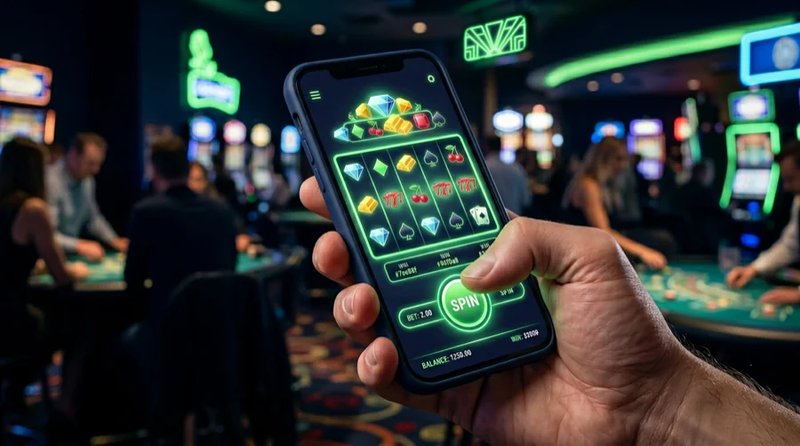
Beyond the immediate social circle, mobile gaming often leads players to explore related digital experiences. For instance, several friends who regularly play multiplayer shooters also try their hand at virtual slot machines for a change of pace. One of them mentioned trying ninewin online casino after a long gaming session, noting how the quick, mobile‑first design felt familiar.
Final thoughts: Embrace the new social fabric
Mobile gaming is no longer a solitary pastime; it’s a catalyst for conversation, collaboration, and even offline gatherings. By picking the right game, setting up a dedicated chat, turning virtual victories into real‑world celebrations, and watching your screen time, you can weave a richer social tapestry across the UK. The next time you pull out your phone, think of it as a ticket to a shared adventure rather than just another app.
Frequently Asked Questions
What percentage of adults own a smartphone?
In the UK, about 78% of adults own a smartphone, according to recent surveys. This widespread ownership fuels mobile gaming’s social influence.
How often do people play mobile games?
Approximately 62% of UK adults play mobile games at least three times a week. These frequent sessions become natural conversation starters.